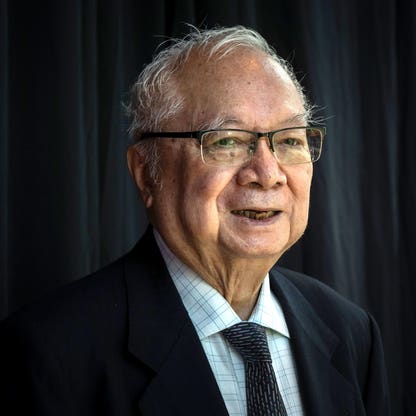
Decoding Gordon Wu's Influence: From Hopewell to HK Property
Sir Gordon Wu Ying-sheung, a name synonymous with visionary infrastructure and towering real estate development, has carved an indelible mark on Hong Kong and beyond. As the founder of Hopewell Holdings, his journey from a young architect to one of Asia's most influential tycoons is a testament to audacious ambition and strategic foresight. While precise figures for
Gordon Wu's net worth often remain dynamic and subject to market fluctuations, his undeniable status as a billionaire and a driving force in Hong Kong’s economic landscape is well-established. This article delves into the various facets of his influence, tracing his impact from groundbreaking infrastructure projects to shaping the very skyline of Hong Kong.
The Architect of Infrastructure: Hopewell Holdings and Beyond
Gordon Wu's legacy is perhaps most vividly seen in the concrete and steel structures that connect cities and facilitate commerce across the Pearl River Delta. Hopewell Holdings, under his leadership, wasn't just another property developer; it was a pioneer in large-scale infrastructure projects that were considered audacious, even revolutionary, for their time.
From its inception, Hopewell Holdings demonstrated a knack for identifying future needs. Wu's vision extended beyond simply building structures; he aimed to create the arteries that would fuel economic growth. Notable achievements include:
- The Guangzhou-Shenzhen Superhighway: A critical early link in the Pearl River Delta's transportation network, dramatically reducing travel times and fostering trade between two of China's most important economic zones.
- The Humen Pearl River Bridge: An engineering marvel that further enhanced connectivity, demonstrating Wu's willingness to undertake complex, high-impact projects.
- Power Plants: Hopewell was also instrumental in developing power generation facilities in mainland China, underpinning the region's rapid industrialization.
These massive undertakings were not only profitable ventures but also foundational elements that unlocked immense value in surrounding land and properties. By improving accessibility and reducing logistical hurdles, Wu's infrastructure projects directly contributed to the appreciation of real estate values and spurred urban development, indirectly bolstering his own vast wealth and influence. His ability to foresee the infrastructure demands of a rapidly developing China was a cornerstone of his success and a significant contributor to
Gordon Wu's net worth, consolidating his reputation as a visionary leader.
Gordon Wu's Net Worth: A Legacy of Innovation and Development
Discerning the exact figure for
Gordon Wu's net worth can be challenging, as with many private and semi-private fortunes. Wealth held in closely controlled companies, private investments, and fluctuating market valuations make it difficult for external observers to pin down a precise number at any given moment. However, based on decades of substantial business activities, large-scale projects, and significant corporate transactions, it is clear that his wealth is in the multi-billion dollar range.
A pivotal event that offered a glimpse into the scale of his assets was the privatization of Hopewell Holdings. In 2019, Wu and his family successfully took Hopewell Holdings private in a deal valued at approximately US$2.7 billion. This move was significant, consolidating control of the company's assets under the family and removing it from public market scrutiny. This transaction alone highlights the immense value tied to his business empire. While the US$2.7 billion figure refers to the privatization deal's valuation, it reflects a substantial component of the family's overall wealth, undoubtedly placing
Gordon Wu's net worth firmly among Hong Kong's elite billionaires.
His wealth stems not just from the immediate profits of construction but from the long-term appreciation of the assets he developed – from toll roads that generate steady income to prime real estate holdings that have soared in value. Like many Hong Kong tycoons, a significant portion of his wealth is intrinsically linked to the city's dynamic property market, a sector he himself helped to shape. For a deeper dive into this significant corporate move, you might be interested in reading
Gordon Wu's $2.7 Billion Hopewell Privatisation Explored.
Shaping the Hong Kong Property Landscape
Gordon Wu's influence on Hong Kong's property landscape is multifaceted, encompassing both direct development and the indirect effects of his infrastructure ventures. His vision helped define segments of the city's iconic skyline and expanded its habitable and commercial footprint.
Direct Property Development:
One of the most recognizable structures directly attributed to Hopewell Holdings is the
Hopewell Centre in Wan Chai. Completed in 1980, this distinctive circular skyscraper was one of Hong Kong's tallest buildings at the time and remains a prominent landmark. Its innovative design and strategic location showcased Wu's forward-thinking approach to urban development. Beyond commercial towers, Hopewell also engaged in residential projects, contributing to the housing stock of the densely populated city. His developments often focused on maximizing space and functionality, a crucial consideration in Hong Kong's land-scarce environment.
Indirect Influence through Infrastructure:
Perhaps even more profound than his direct developments is the indirect impact of his infrastructure projects. By building superhighways and bridges, Gordon Wu effectively "opened up" new areas for development, making previously remote or inaccessible land viable for residential, commercial, and industrial use. This dramatically increased land values and spurred secondary waves of construction and investment. For example, improved transport links between Hong Kong and mainland China not only facilitated trade but also encouraged cross-border movement of people and capital, fueling demand for property on both sides. This strategic foresight in infrastructure development amplified the value of assets across the region, undeniably bolstering
Gordon Wu's net worth and that of many others who invested in the wake of his projects.
Beyond Billions: Gordon Wu's Enduring Impact and Business Philosophy
Gordon Wu's career offers invaluable lessons in strategic investment and resilient entrepreneurship. His enduring impact extends beyond the balance sheet, embodying a particular philosophy that has driven his success for decades.
Key Principles from Wu's Career:
- Long-Term Vision: Wu consistently looked decades ahead, anticipating future needs in infrastructure and urban development. His projects were not short-term gains but long-term investments in regional growth.
- Risk-Taking and Innovation: He was unafraid to undertake massive, complex projects that others shied away from, often employing innovative financing and engineering solutions. His ventures frequently pushed the boundaries of what was considered possible.
- Strategic Location and Connectivity: A deep understanding of geography, logistics, and economic corridors allowed him to identify prime locations for both infrastructure and property development that would yield maximum value.
- Resilience and Persistence: Like all grand projects, Wu's ventures faced numerous challenges, from financing hurdles to political complexities. His ability to navigate these obstacles with persistence was crucial.
Wu's business philosophy is characterized by a blend of pragmatism and ambition. He famously advocated for market-driven solutions and efficiency, often criticizing bureaucratic delays. His journey also highlights the importance of cross-border collaboration and understanding the economic integration of the Greater Bay Area long before it became a popular concept. His story is not just about wealth accumulation but about the creation of lasting assets that serve millions. For more insights into the perspectives of Hong Kong's richest, consider reading
Hong Kong Tycoon Gordon Wu: What the Richest Lists Don't Say.
Conclusion
Sir Gordon Wu Ying-sheung stands as a towering figure in Hong Kong's economic history, his influence deeply woven into the fabric of its infrastructure and property market. While the exact figure of
Gordon Wu's net worth might fluctuate and remain largely private, his status as a multi-billionaire is an undisputed testament to a career marked by unparalleled vision, audacious projects, and a profound impact on regional development. From groundbreaking superhighways to iconic skyscrapers, his legacy is visible, tangible, and continues to shape the lives and commerce of millions. His story serves as a powerful reminder of how entrepreneurial foresight and large-scale investment can literally build the foundations of modern economies.